










null

Your Mini Cart

Baby Food Ideas: Simple First Foods for Your Baby

Baby Food Ideas: Simple First Foods for Your Baby

Starting solids can feel exciting and a little overwhelming. What foods should you offer first? How do you keep things simple when you’re likely already tired? And how do you introduce variety and avoid the usual mid-week slump of bringing out the same meals?


We’ve brought together some baby food ideas for you to use from their very first purees to soft finger foods and beyond, sourced from both our community and The Sleep Store team, most of whom are parents as well! Our aim is to help you feel confident and give you some ideas while you explore solids with your baby.  


Please note these are ideas only; for specific advice on baby foods and stages, please talk to your Well Child provider.

When to start solids

Most babies are ready for solids around 6 months, when they can:

  • Hold their head up and have good neck control
  • Sit with support
  • Show interest in food - eg reaching for your food or opening their mouth when food approaches
  • Bring objects to their mouth
  • Make chewing movements
  • Seem hungry after their milk feed


Every baby develops at their own pace, so watch your baby's cues and take it step by step. If you're concerned, contact your Well Child provider.


First Foods (Stage 1)

Baby's first foods need to be smooth and easy to digest. The foods below have been widely used as first foods for generations and are easy to prepare and puree. They are also known to be gentle on little tummies. These are common purees and can also be frozen in small portions, so it's easy to whip out and heat at a moment's notice. Always check the temperature of the food before serving it your baby. For more information, review our full FAQ's on Introducing Solids to Your Baby or talk to your Well Child provider for specific solids advice.


Popular First Soft Fruits (Cooked and pureed without skins)

Stew or steam these fruits until soft and then blend to a smooth consistency.

  • Pear
  • Apple
  • Summer fruits like Peaches & Nectarines


Popular First Raw Fruit & Vegetables (smoothly mashed)

  • Banana
  • Avocado (mashed with a little breastmilk or formula)


Popular Vegetable Starters (Cooked and pureed without skins)

Steam or boil these vegetables, until very soft, then blend or mash with a little liquid to reach a smooth texture - it can be trial and error to get the right consistency.

  • Pumpkin
  • Kumara / sweet potato
  • Potato
  • Spinach
  • Courgette / zucchini


Iron-Rich First Foods


Iron becomes extra important once babies reach about 6 months when their iron stores start to reduce (Kids Health Hauora Taitamariki, 2023). Some easy iron-rich options which can be cooked and pureed include:

  • Red meat (eg beef or lamb) or chicken
  • Pureed fish or seafood
  • Puréed lentils & beans, which are good vegetarian options
  • Iron-fortified baby cereal (mixed with breastmilk or formula)


Puréed Meal Ideas (Stage 1 Solids)

As your baby gets used to solids, you can start mixing simple combinations. A good idea is to cook batches in advance and freeze so you can easily combine different flavours without cooking several things at once. Plus, it's handy to have something on hand, which can be heated, when you've been on the go all day.

Vegetable Purée Combo Ideas

  • - Pumpkin & spinach
  • - Kumara, carrot & silverbeet
  • - Potato & courgette
  • - Broccoli & potato
  • - Kumara & beans
  • - Beetroot, carrot & apple


Fruit Purée Ideas

  • - Pear & Banana
  • - Apple & Peach
  • - Mango & greek yoghurt (unsweetened)


Proteins Added In

Steam or boil these vegetables, until very soft, then blend or mash with a little liquid to reach a smooth texture - it can be trial and error to get the right consistency.

  • - Pumpkin
  • - Kumara / sweet potato
  • - Potato
  • - Spinach
  • - Courgette / zucchini


Proteins Added In

  • - Pumpkin, peas & lamb
  • - Kumara & chicken
  • - Potato & broccoli + cooked lentils
  • - Potato, spinach & salmon


Blend each mix until it’s smooth and soft, adding breast milk, formula or water to get the right consistency. Always introduce any new flavours on their own, to help identify any allergies. Once each food has been introduced, start mixing flavours. You can also add some mild herbs and spices such as cinnamon or thyme to add more complexity.


Mashed Food Ideas (Stage 2)

Once your baby is confidently eating smooth purées, you can slowly increase texture to a chopped or mashed consistency, usually around 7-8 months. You can also start to introduce dairy foods and wheat-based foods such as toast fingers. Here are some ideas:

Soft Mashed Vegetables

  • - Kumara with a drizzle of olive oil
  • - Mashed potato & peas - add some mint for extra flavour
  • - Mashed pumpkin or carrot with finely flaked fish


Fruit Mash Ideas

  • - Banana & avocado mash
  • - Pear & peach mash
  • - Stewed Apple & yoghurt


More Textured Protein Meals

  • - Mashed lentils with soft vegetables
  • - Flaked salmon mixed through mashed potato or pumpkin
  • - Finely shredded chicken stirred into mashed kumara


Keep textures soft and lump-free at first, then gradually increase the texture as your baby gets used to the consistency.


Finger Food Ideas (Stage 3 for Babies Ready to Slef-Feed)

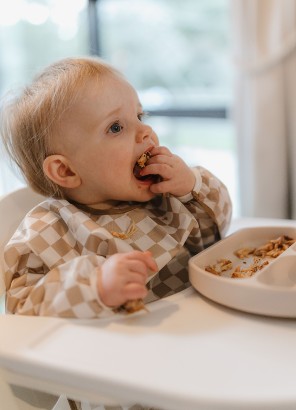
When your baby can sit well, bring food to their mouth, and chew or gum food safely, you can offer soft finger foods. Always supervise closely when your baby is eating

Soft Fruit Pieces

  • - Soft ripe pear slices
  • - Oranges, sliced thinly
  • - Kiwifruit slices
  • - Berries, sliced if large
  • - Banana pieces
  • - Soft melon strips


Vegetable Finger Foods

Cook until soft enough to squash easily between your fingers:

  • - Carrot sticks
  • - Broccoli florets
  • - Kumara wedges
  • - Capsicum


Protein Finger Foods

  • - Soft flaked fish (boneless)
  • - Slow-cooked shredded chicken or tender beef
  • - Omelette strips or soft scrambled egg


Grains & Extras

  • - Very soft pasta spirals
  • - Toast fingers with smashed avocado
  • - Soft rice balls (very sticky, small amounts)


Easy Baby Meal Ideas for Busy Parents

How you finish these foods (e.g. puree, mash or cut for finger foods), will depend on your baby’s age and stage, these are just some combination ideas.

One-pot Veggie Smash

Cook pumpkin, potato and courgette together. Blend until smooth or mash lightly depending on your baby’s stage.

Chicken & Kumara Bowl

Simmer chicken thigh, kumara and broccoli until tender. Purée or mash together for an iron-rich meal. Or chop each component into pieces / sticks for your baby to self-feed depending on your baby's age & stage.

Lentil Stew - Ideal for Vegetarian’s

Cook red lentils with carrot and mild spices (optional). Purée or mash as appropriate.

Quick Fruit Purée

Stew pear or apple on the weekend and freeze in small portions for fast weekday meals. Mix with baby cereal, oats or greek yoghurt, to make a fast, easy breakfast or snack.

Salmon & Veg Mash

Steam salmon lightly until flaky, mix into mashed potato or pumpkin. Add some cooked spinach or silverbeet for an extra iron-boost.

Cauliflower Cheese

Steam or boil cauliflower until tender and mix with a traditional white, cheese sauce. Add pasta for a more substantial cauliflower Mac’n’Cheese. Puree or mash for younger babies.


Foods to Avoid

There’s a few foods which you should avoid until your baby is older, or unless they are chopped/prepared appropriately. For full guidance & tailored advice contact your Well Child provider. For safety, avoid:

  • - Honey (until 1 year) due to the risk of Botulism
  • - Whole nuts (choking risk)
  • - Hard, raw fruits/vegetables like raw apple or carrot - you can however grate carrot and apple from around 8 months
  • - Round and / or firm foods (such as grapes, cherry tomatoes) unless cut safely
  • - Added salt, sugar, sweeteners or sauces
  • - Unpasteurised dairy


Final thoughts & tips

There's a few foods which you should avoid until your baby is older, or unless they are chopped/prepared appropriately. For full guidance & tailored advice contact your Well Child provider. For safety, avoid:

  • - Every baby is different, there’s no “perfect” puree or combination - go for variety, age & stage appropriate & keep trying.
  • - Milk (breastmilk or formula) remains their main food until at least 12 months of age.
  • - Your baby may only eat a teaspoon or two at first, that’s totally normal!
  • - Go slowly, follow your baby’s cues, and try again in a few days if they refuse.